8285111610

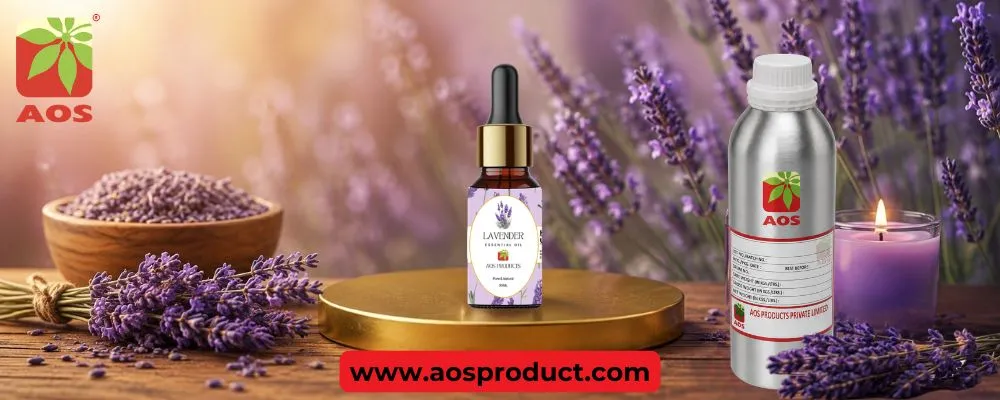
At the edge of a field, where purple lavender flowers moved slowly in the wind, a simple thought started: to keep the calm of nature in a bottle.
The journey of Lavender Oil begins with lavender flowers that are chosen carefully. Using steam distillation, the soft smell-making parts of the plant are taken out. Collected as a clear or light yellow essential oil. This oil has the fresh and flower-like smell of lavender.
The true story of lavender oil is more than just its nice smell. It is about being the same every time, being pure, and being of high quality. In jobs that need work, each group of oil is made and checked carefully to make sure it meets the rules. For medicines and top-quality mixtures, following rules like IP, BP, and USP when needed for the oil and its details gives more trust.
From old ways of using it to new medicine, beauty products, personal care items, and scents, lavender oil has gone far from the fields where it started. Its special feel makes it a useful natural part wherever a nice flower smell and sure quality are needed.
So every bottle of lavender oil has a little story—starting from the flower fields and careful making to the controlled steps and checking for quality.
Lavender Oil: the purple flower, from nature changed into a useful part.
Lavender essential oil is something people have liked for a long time because it has a special flower smell. It is used in different ways. The oil comes from the flowers of a plant called Lavandula angustifolia. This essential oil is made in a way that keeps the knowledge about plants and also meets today's high standards.
The journey of lavender oil starts with plants that are grown with care. When the flowers are ready, the tops are cut. The cut flowers go through steam distillation. This process lets the aromatic parts gather into oil while the scent of the plant stays true.
The finished lavender oil is usually clear or pale yellow. It smells fresh, sweet, and herbaceous. The exact mix inside the oil changes, depending on where the lavender comes from, how it is grown, when it is cut, and how the distillation is done.
In pharmaceutical, cosmetic, personal-care and other specialized applications, consistency and purity are essential. Consistency and purity must be maintained in every batch. Lavender oil intended for professional use may be evaluated against applicable IP, BP and USP requirements, where a relevant pharmacopoeial monograph and grade apply. Lavender oil must meet these standards. Important quality considerations include identity, appearance, odor, physicochemical characteristics and chromatographic profile. These aspects help verify consistency and purity. Reliable testing and controlled processing help ensure that every batch delivers quality. Consistent quality is the goal.
Lavender oil is used in different industries. The nice smell of oil makes it popular in perfumes, soaps, cosmetics, and personal-care products. It is also liked in aromatherapy. Is added to some medicines and wellness products when needed.
For companies that make products, the fact that lavender oil comes from a known plant, has a smell, and is made with good quality control makes it a useful ingredient for many different products.
Premium lavender oil is more than a scent. The value of premium lavender oil comes from the journey from choosing the right plants and growing them with care to extracting the oil, testing it, storing it, and packaging it.
When purity, consistency, and records are important, picking a produced lavender oil can make a real difference to how good the final product is.
Lavender oil. A plant spirit, refined by science and defined by quality.
Bulk Order Enquiry Click Here
Buy Jojoba oil Click Here